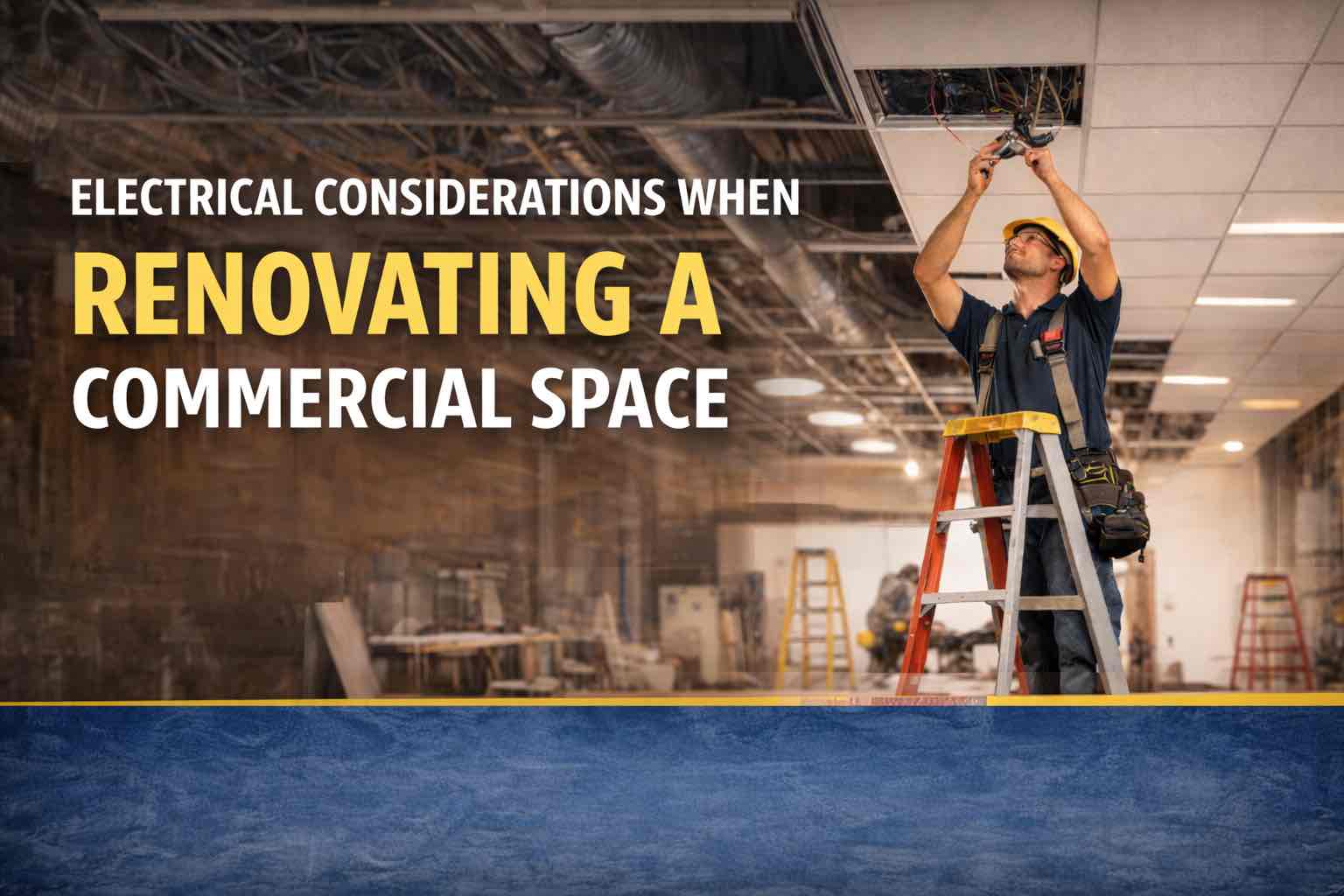
Renovating a commercial space is an exciting opportunity to improve functionality, update the look of a building, and create an environment that better supports employees and customers. While much of the focus often goes toward layout, finishes, and aesthetics, the electrical system plays a critical role in the success of any commercial renovation project.
Whether you’re upgrading an office, retail store, restaurant, or warehouse, proper electrical planning ensures safety, efficiency, and long-term reliability.
Evaluate the Existing Electrical System
Before any renovation begins, it is important to assess the current electrical infrastructure. Many commercial buildings were designed decades ago, and the existing electrical system may not be equipped to support modern equipment and technology.
An electrical evaluation should review:
- Electrical panel capacity
- Wiring condition and safety
- Circuit distribution
- Code compliance
- Overall power demands
Understanding these factors early in the project helps prevent delays and unexpected costs later in the renovation process.
Ensure Electrical Code Compliance
Commercial renovations must meet current electrical codes and safety regulations. Even if the original electrical system was compliant when the building was first constructed, updates may now be required to meet modern standards.
Common code-related upgrades during renovations include:
- Updated grounding and bonding
- GFCI and AFCI protection where required
- Emergency lighting systems
- Exit signage and backup power
- Proper circuit labeling and panel access
Working with a qualified commercial electrician helps ensure the project passes inspections and avoids costly corrections.
Plan for Increased Electrical Demand
Modern businesses rely on significantly more electrical power than they did in the past. Computers, servers, security systems, specialized equipment, and advanced lighting systems can dramatically increase electrical demand.
During a renovation, it is important to evaluate whether the current service and panels can handle the additional load. In some cases, upgrades may include:
- Installing larger electrical panels
- Adding dedicated circuits
- Increasing service capacity
- Integrating three-phase power where needed
Planning for future electrical needs now can help avoid additional upgrades later.
Design Efficient Lighting Systems
Lighting is one of the most noticeable improvements in a commercial renovation. A well-designed lighting system can improve productivity, enhance customer experience, and reduce energy costs.
Popular lighting upgrades include:
- LED lighting retrofits
- Motion sensor and occupancy controls
- Task lighting for workspaces
- Accent lighting for retail displays
- Daylight integration and smart lighting controls
Energy-efficient lighting solutions can significantly reduce operating costs while creating a brighter and more inviting space.
Consider Technology and Data Infrastructure
Today’s commercial spaces rely heavily on connectivity. Renovation projects provide the perfect opportunity to upgrade technology infrastructure and integrate modern systems.
Important considerations may include:
- Structured cabling for data and networking
- Wi-Fi infrastructure and access points
- Security and surveillance systems
- Access control systems
- Smart building automation
Planning these systems during renovation avoids the need for visible wiring or costly modifications later.
Incorporate Backup Power Solutions
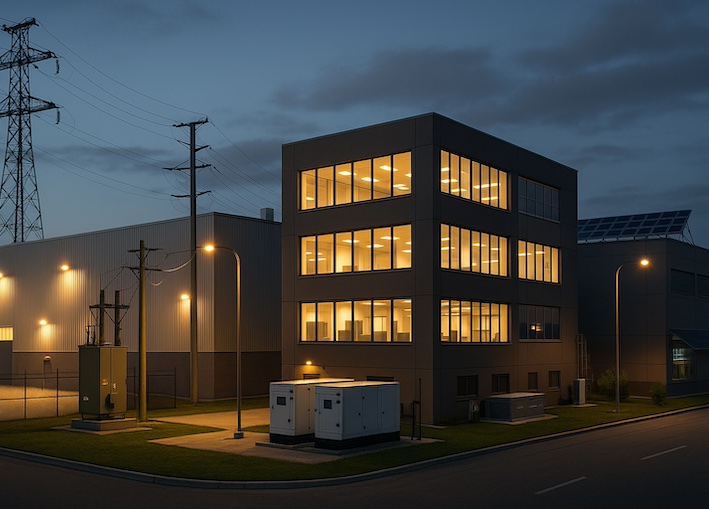
Power interruptions can disrupt operations and lead to lost revenue for many businesses. Renovations provide an ideal time to evaluate backup power options.
Depending on the facility, solutions may include:
- Commercial standby generators
- Battery backup systems
- Uninterruptible power supplies (UPS) for sensitive equipment
These systems help ensure critical operations continue even during unexpected outages.
Improve Energy Efficiency
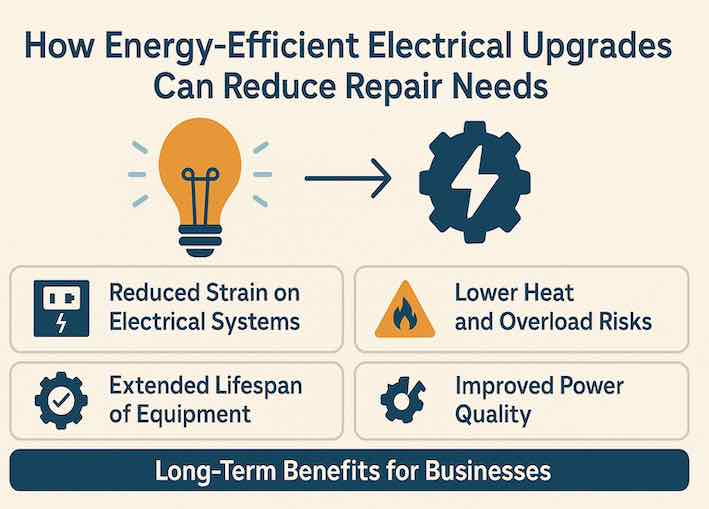
Energy efficiency is a major priority for many commercial property owners. Electrical upgrades completed during renovations can reduce long-term operating costs and improve sustainability.
Some common efficiency improvements include:
- LED lighting upgrades
- Smart energy management systems
- High-efficiency electrical equipment
- Timers and automated controls
These upgrades often pay for themselves through reduced energy consumption.
Partner With J & S Electrical Contractors
If you’re planning a commercial renovation, working with an experienced electrical contractor is essential to ensure the project is completed safely, efficiently, and in full compliance with electrical codes. The team at J & S Electrical Contractors has extensive experience supporting commercial renovation projects, from electrical system upgrades and panel replacements to lighting design and new power distribution.
J & S Electrical Contractors works closely with property owners, contractors, and project managers to deliver reliable electrical solutions that support modern business operations. If you’re preparing to renovate a commercial space, contact J & S Electrical Contractors to discuss your project and ensure your electrical system is ready for the future.